A Beginner’s Guide to Exporting Kenyan Products to Europe
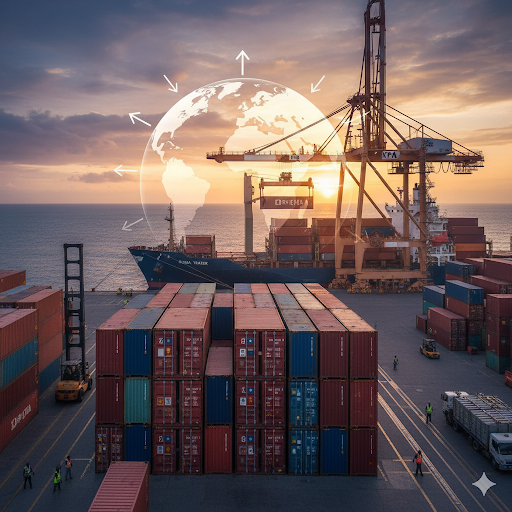
Exporting to Europe can sound complicated, but it doesn’t have to be.
Many Kenyan farmers and entrepreneurs are already tapping into the
European market, selling everything from avocados and macadamia nuts to coffee,
flowers, and herbs.
If you’ve ever thought about selling your products abroad,
Europe is one of the best places to start. In this guide, we’ll break down the
basics in a simple way, so you know what to expect and how to prepare.
1. Know What Europe Wants
The first step is understanding the market. Europe has a strong appetite for high-quality agricultural products from Africa, especially Kenya. Some of the most in-demand exports include:
- Fresh avocados
- Macadamia nuts
- Coffee and tea
- Fresh cut flowers
- Herbs and spices
Before you start, research the specific country in Europe
you’re targeting. For example, Germany imports a lot of coffee, while the
Netherlands is a hub for fresh flowers.
2. Meet Quality and Safety Standards
Europe has strict rules to protect consumers. This means
your product must meet certain health, safety, and quality requirements. Some
of the common certifications and checks include:
- Phytosanitary
certificates (to confirm your produce is free from pests and diseases)
- Fairtrade
or Organic labels (which can boost your product’s value) among other
depending on what you want to export
It might feel overwhelming at first, but these standards are
your ticket to building trust with buyers.
3. Get the Right Documentation
Paperwork is a big part of exporting. You’ll need documents
like:
- Export
licenses
- KRA Pin
and Clearance certificate
- CR12
Document
- KEBS Certificate
etc
Having the right paperwork in place makes your exports move
smoothly at the port and in Europe.
4. Think About Packaging and Transport
Packaging is not just about making your product look good; it’s
also about keeping it fresh and safe during long journeys. For fresh produce,
proper cooling and handling are essential.
Europe also expects clear labeling, often in English and
sometimes in other European languages, depending on the country.
When it comes to transport, most exporters use air freight
for fresh products like flowers and herbs, and sea freight for bulk items like
avocados and nuts.
5. Find the Right Partner
Exporting on your own can be tough. That’s why many Kenyan
exporters work with trade partners who understand the European market. A good
partner helps you with logistics, compliance, and even connecting with buyers.
6. Start Small and Grow
You don’t need to export huge volumes from the beginning.
Start small, learn the process, and build your reputation. Once European buyers
trust your quality and reliability, scaling up becomes easier.
Exporting to Europe may look challenging at first, but with
the right guidance, it’s a journey that pays off. The key is preparation: know
the market, meet the standards, have your paperwork ready, and work with
reliable partners.
At DAC, we exist to make this process simpler for Kenyan
exporters. From compliance to logistics, we help you bridge the gap and focus
on what you do best; growing your brand
Partner with DAC today!

Lilian Mumbua
Posted on September 8, 2025
Related Articles
A Step-by-Step Guide to Selling Your Kenyan Products in Europe
If you run a business in Kenya, you already know there is steady demand for Kenyan tea, coffee, flo...
Read more →
Why Packaging and Labeling Matter for EU Export Markets
Exporting to the European Union represents a significant opportunity for Kenyan producers seeking...
Read more →
What European Buyers Should Know Before Importing Kenyan Products
Kenya sits on the buying lists of many European importers for a good reason. The country already su...
Read more →